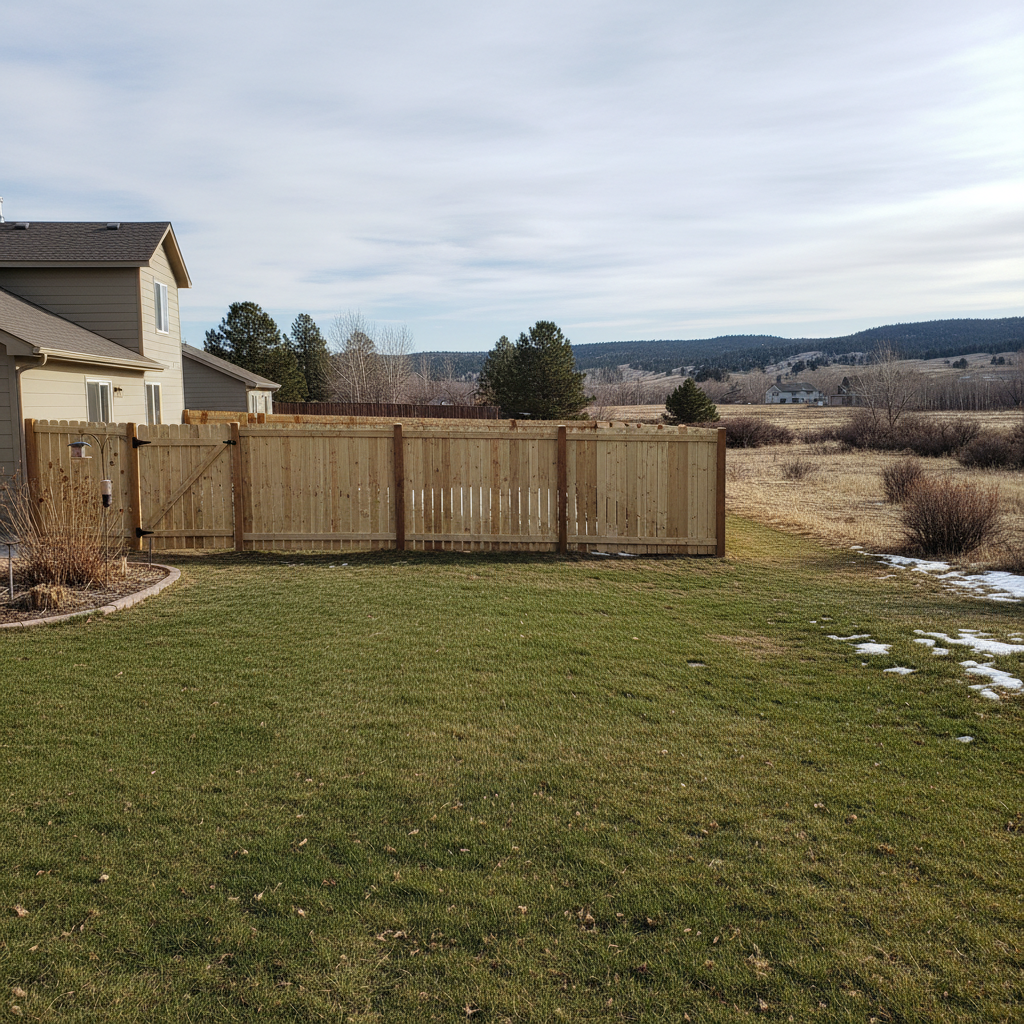
You want a wood fence that looks good and lasts, right? Well, when you put it in here in Spearfish makes a bigger difference than you might think. It's not just about getting the job done; it's about getting it done right, so it stands up to our crazy Black Hills weather for years to come.
When's the Best Time to Build a Wood Fence?
Honestly, the ideal window for wood fence installation around here is spring and fall. Why those times? It mostly boils down to ground conditions and wood stability.
- Spring (Late April to June): This is prime time. The ground has thawed out completely, but it's not bone dry and hard as a rock yet. Digging post holes is a lot easier when the soil's got some moisture, but isn't a muddy mess. Plus, the temperatures are moderate. Wood expands and contracts with temperature and humidity, and installing it during these milder months means it's settling into its natural state without extreme stresses. We're not fighting frozen ground or scorching heat, which makes for a smoother, more precise installation.
- Fall (September to October): Another excellent choice. Similar to spring, you get those moderate temperatures and usually decent ground conditions. The summer heat has passed, and we're not yet dealing with the deep freeze. This allows the concrete for your posts to cure properly without rushing or getting shocked by extreme cold.
Now, can you build in summer or winter? Sure, you can. But there are trade-offs. Summer means working in the heat, which is tough on the crew and can cause wood to dry out and shrink quickly after installation, potentially leading to small gaps or warping if not handled just right. Winter? Forget about it for most of the season. Trying to dig post holes in frozen ground is a nightmare, and concrete curing in freezing temperatures is a whole other beast. You're looking at extra costs for ground thawing equipment and special concrete mixes, and even then, the quality can be compromised. We usually shut down new wood fence installs for a good chunk of winter for a reason.
How Our Local Weather Impacts Your Fence
Spearfish isn't just pretty; it's got some unique weather patterns that really affect wood fences. We get a lot of freeze-thaw cycles in the shoulder seasons. That means the ground freezes, then thaws, then freezes again. This can cause what's called 'frost heave,' where the ground literally pushes your fence posts up out of the ground. It's a real problem if posts aren't set deep enough or if the concrete isn't properly installed below the frost line.
Then there's the wind. We get some serious gusts ripping through here, especially down by the creek or up on the mesa. A well-built fence needs to be able to stand up to those winds, which means sturdy posts, proper spacing, and quality fasteners. If you're building a privacy fence, that wind load is even more critical. We always factor that in when we're designing and installing for folks around here.
And don't forget the sun. Our high-altitude sun can be brutal on wood, causing it to grey, crack, and dry out over time. That's why protecting your investment is so important.
Protecting Your Wood Fence Year-Round
Once your beautiful new wood fence is up, you'll want to keep it looking great and performing its best. Here's what I tell all my customers:
- Seal or Stain It: This is probably the most important thing you can do. A good quality stain or sealant protects the wood from UV rays, moisture, and rot. It's like sunscreen and a raincoat for your fence. You'll want to do this within a few months of installation, once the wood has had a chance to acclimate, and then reapply every 2-5 years depending on the product and exposure.
- Keep it Clean: Dirt, mildew, and algae don't just look bad; they can hold moisture against the wood, encouraging rot. A gentle wash with a mild detergent and a soft brush or low-pressure washer can do wonders. Just don't blast it with high pressure, or you'll damage the wood fibers.
- Check for Damage: Walk your fence line a couple of times a year. Look for loose boards, popped nails, or signs of insect activity. Catching these issues early can prevent them from becoming bigger, more expensive problems. Tighten screws, replace damaged boards, and keep an eye out for anything that looks off.
- Manage Vegetation: Keep plants, bushes, and trees trimmed back from your fence. They can trap moisture, block airflow, and provide pathways for pests. Plus, branches rubbing against the fence can cause wear and tear.
- Address Drainage: Make sure water drains away from the fence line, not towards it. Standing water at the base of your posts is a recipe for rot.
Taking these steps will significantly extend the life of your wood fence. It's an investment in your property, and a little bit of regular care goes a long way. If you're ever unsure about maintenance or need a hand with repairs, you know who to call. Mighty Fence Co. is always here to help our Spearfish neighbors keep their fences in top shape.