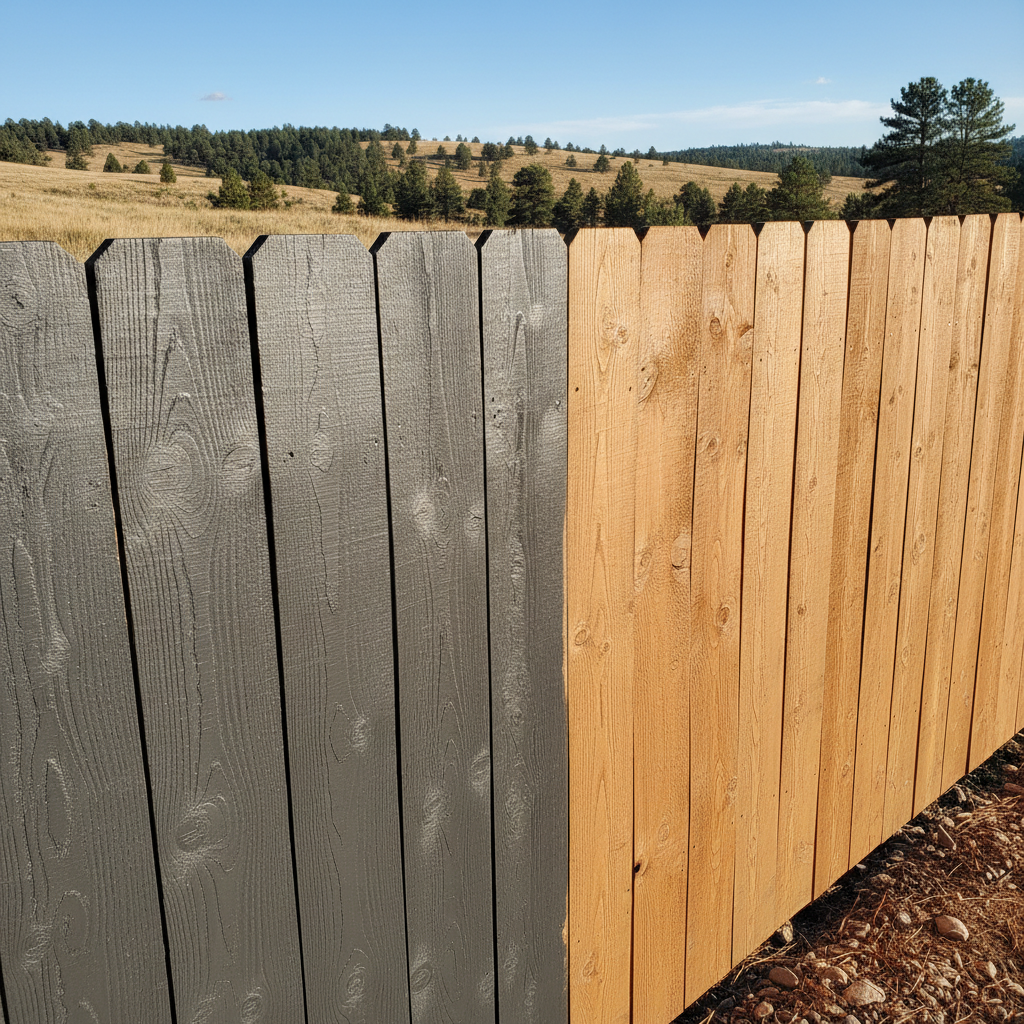
Alright, so you've got a fence – probably a wood one – and let's be honest, it's seen better days. Maybe the sun's bleached it out, or a few Spearfish winters have really taken their toll. You're thinking, "Time for a refresh." Good call. But then the big question hits: stain or paint? It's more than just picking a color; this choice affects how long your fence lasts and how much work you'll be doing down the road. I've personally seen tons of fences around Spearfish, from the older homes downtown to the newer builds up by Crow Peak, and I can tell you, making the right decision early on saves a whole lot of headaches.
Before You Start: Prep is Everything
Seriously, this is where most DIY projects go south. You can buy the fanciest stain or paint out there, but if your fence isn't ready, you're just throwing money and time away. Here's what you absolutely need to do:
- Clean it up: Get rid of any dirt, mildew, or loose bits of old finish. A good power wash usually does the trick, but be careful not to blast too hard and damage the wood itself. If you've got a lot of mildew, you might need a special cleaner, of course. Then, let it dry completely – and I mean *completely* – for a few days before you even think about applying anything.
- Repair any damage: Loose boards? Nails popping out? Now's the time to fix 'em. Replace any rotted sections. You really don't want to seal in problems, do you?
- Sand rough spots: If you're aiming for a smooth finish, especially with paint, a light sanding will make a huge difference.
This prep work is probably the least fun part of the whole deal, but trust me, it's non-negotiable. If you skip it, your new finish won't stick right, and it'll peel or fade way faster than it should.
Stain vs. Paint: The Big Showdown
Okay, so you've cleaned and prepped. Now, stain or paint? Each has its own good points and bad points, and what's right for your neighbor might not be right for you.
Fence Stain: The Natural Look
Stain actually soaks into the wood, instead of just sitting on top. This means it lets the natural grain show through, which a lot of folks around here really like, especially with cedar or redwood fences. There are a few types you'll run into:
- Transparent/Semi-transparent: These give you the most natural look. They've got UV inhibitors to protect against our intense Black Hills sun, but they don't hide much. You'll see the wood grain beautifully.
- Semi-solid/Solid: These have more color pigment. Semi-solid will still let some grain peek through, while solid stain is almost like a thin paint – it covers more but still penetrates the wood.
Pros of Stain: It's generally easier to put on, less likely to peel because it soaks in, and easier to reapply later (often just a clean and re-coat). It really highlights the natural beauty of the wood, which is a big plus for many homeowners.
Cons of Stain: It doesn't last quite as long as paint, usually needing reapplication every 3-5 years depending on the product and how much sun it gets. It also doesn't offer as much protection against dings or scratches.
Fence Paint: The Bold Statement
Paint forms a protective layer *on top* of the wood. It gives you a solid, uniform color and can really make a statement. You've got a huge range of colors to pick from, which is great if you're trying to match your house or just want something vibrant.
Pros of Paint: It's incredibly durable and offers excellent protection against moisture and UV rays. A good paint job can last 7-10 years, sometimes even longer, if you do it right. It also hides imperfections in the wood better than stain ever could.
Cons of Paint: The prep work is more critical, and it's more prone to peeling and chipping if not put on correctly or if the wood wasn't properly prepped. When it's time to re-do it, you often have to scrape and sand a lot more than you would with stain.
When to DIY and When to Call Mighty Fence Co.
Look, I'm all for homeowners tackling projects themselves. If you've got a small, straightforward fence, good weather, and a weekend to spare, staining or painting it yourself is totally doable. It's a satisfying project, and you save some cash, too.
However, there are times when calling in a professional just makes sense:
- Big fences: If your fence wraps around a large property, or you've got a complex design, it's a huge undertaking. You might seriously underestimate the time and effort involved.
- Bad condition: If your fence is severely weathered, has a lot of rot, or needs extensive repairs, a pro can assess it better and handle the necessary fixes.
- Time constraints: Life gets busy, right? If you don't have the time or patience for proper prep and application, you're better off letting someone else do it right.
- Specific finishes: Some specialty finishes or techniques might be best left to experienced hands.
- Warranty: A professional job often comes with a warranty on labor and materials, which gives you confidence you won't get doing it yourself.
Whether you go the DIY route or have Mighty Fence Co. handle it, the goal is the same: protect your investment and make your yard look great. Just remember, the effort you put in upfront, especially with cleaning and prep, will pay off big time in how long your fence looks good.