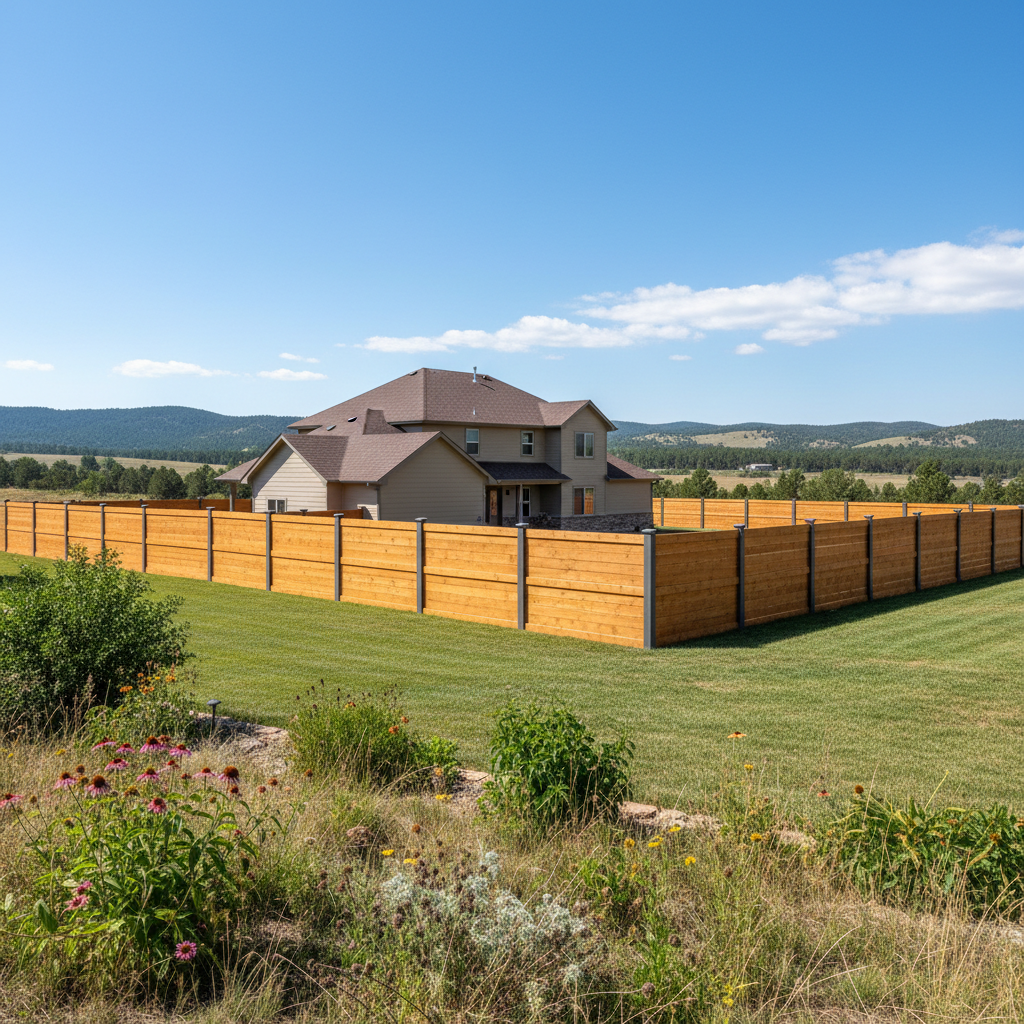
Thinking about staining or painting your fence this year? That's a smart move. A good coat of stain or paint doesn't just make your property look better; it protects your investment from our crazy Black Hills weather. But before you jump in, you'll want a game plan. Here's what I tell folks around here about getting that fence looking sharp and staying that way.
Timeline: When to Get Started
You don't want to rush this, but you also don't want to wait until the last minute. The best time to stain or paint a fence in Spearfish is usually late spring or early fall. Why? You need consistent temperatures – not too hot, not too cold – and low humidity. If it's too hot, the product dries too fast and won't penetrate properly. Too cold, and it won't cure right. And rain? That's a definite no-go.
- New Fences: If you've just put up a new cedar or pine fence, you'll want to let it weather for a few weeks, sometimes even a couple of months, before staining. This allows the wood to dry out completely and open up its pores, so it'll really soak up that stain.
- Existing Fences: For an older fence, you're looking at a few days of prep before any product even touches the wood. Then the actual application can take a day or two, depending on the size, and then you need cure time. Don't plan on leaning on it or letting the dogs rub against it for at least 24-48 hours after the final coat.
What to Expect During the Process
When you hire a pro, or if you're doing it yourself, there are a few key steps. It's not just slapping on some paint.
- Cleaning: This is huge. Your fence needs to be spotless. We're talking power washing to remove dirt, mildew, and loose old stain or paint. Sometimes a special cleaning solution is needed, especially if you've got a lot of green growth on the north side of your fence, which is common in some of the shadier spots in Spearfish.
- Repairs: Any loose boards, popped nails, or rotten sections need to be fixed before anything else. Staining over a wobbly board is just asking for trouble down the road.
- Sanding/Scraping: If you're painting, or if the old stain is really flaky, some light sanding or scraping might be necessary to create a smooth, even surface for the new coat.
- Application: This is where the magic happens. Whether it's spraying, brushing, or rolling, a good contractor will apply the product evenly and make sure they get into all the nooks and crannies. Often, two coats are needed for the best protection and look.
- Drying/Curing: Patience is key here. Don't mess with it while it's drying.
How to Prepare Your Property
You can help things go smoothly, whether you're doing it yourself or hiring Mighty Fence Co. or another local outfit.
- Clear the Area: Move anything away from the fence line – grills, patio furniture, planters, toys, dog houses. Give the crew at least a few feet of clear space on both sides of the fence.
- Trim Landscaping: Trim back any bushes, vines, or tree branches that are touching or very close to the fence. This helps the crew access all parts of the fence and prevents overspray on your plants.
- Secure Pets: Keep your pets indoors or in a secure area away from the work zone. You don't want them tracking wet stain through the house or getting curious about the equipment.
- Inform Neighbors: If your fence borders a neighbor's property, give them a heads-up. It's just good neighborly practice, and they might appreciate knowing when to keep their windows closed or pets inside for a day or two.
Questions to Ask Before Signing a Contract
Don't just go with the cheapest bid. Ask some smart questions to make sure you're getting a quality job.
- What type of stain or paint do you recommend, and why? There are oil-based, water-based, solid, semi-solid, transparent. Each has pros and cons for our climate.
- How do you prepare the fence? Make sure they're talking about cleaning, repairs, and proper drying time.
- How many coats will you apply? Two coats are almost always better than one for durability.
- What's your process for protecting my landscaping and property? They should have a plan for drop cloths, tarps, and masking.
- Do you carry insurance? This is non-negotiable. You want to make sure they have liability and workers' comp.
- Can you provide references? A good contractor will be happy to share contact info for past clients.
- What's your warranty on the work? Understand what's covered if something goes wrong.
Getting your fence stained or painted is a solid investment in your home's curb appeal and longevity. Do your homework, ask the right questions, and you'll end up with a fence that looks great for years to come.