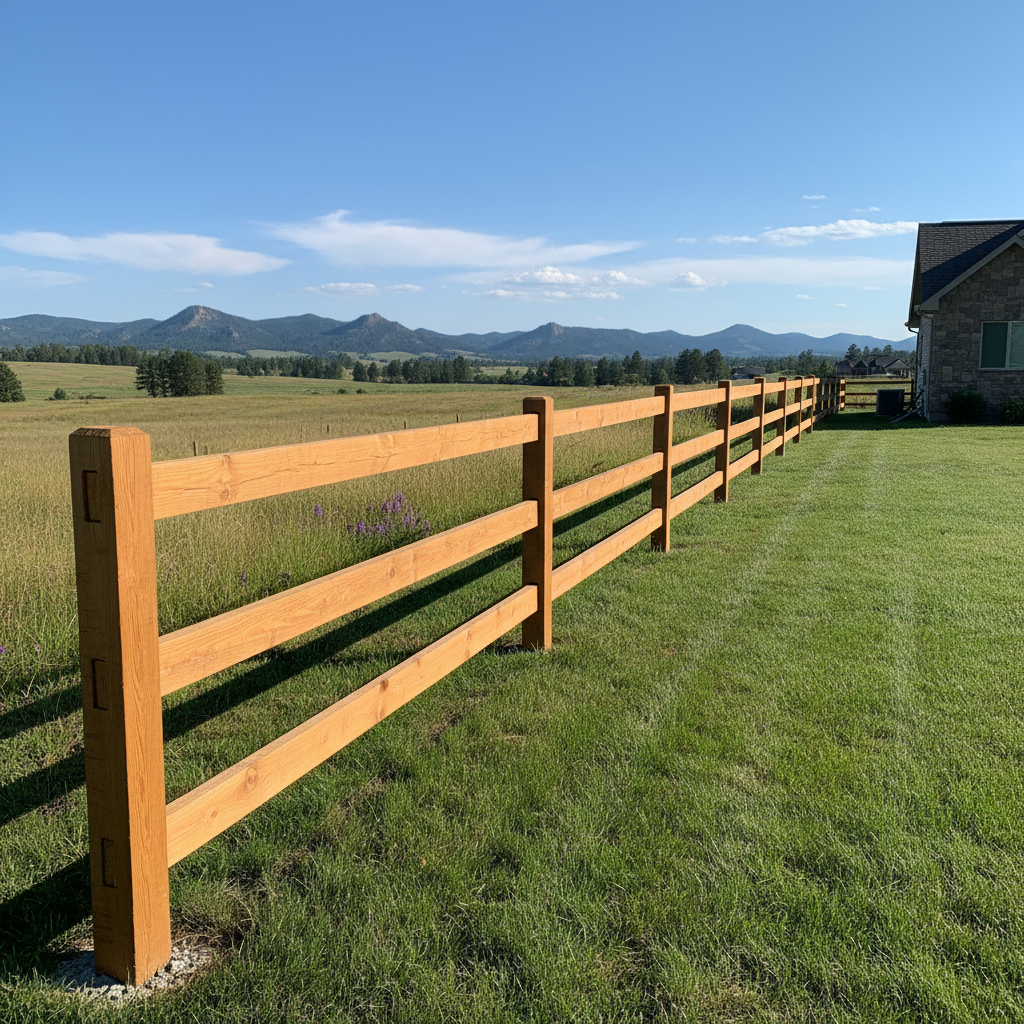
You've poured good money and effort into your farm fence, right? Whether it's keeping livestock in, pests out, or just marking your property lines, that fence really works hard. But even the toughest ones, especially around here with our wild weather swings, need some looking after. Ignore it, and you'll be patching or replacing sections way sooner than you'd like. So, let's chat about keeping that fence in top shape.
Extending Your Fence's Lifespan: It Starts with the Build
Honestly, the best way to make your fence last longer begins even before it's standing. Proper installation is absolutely crucial. That means using the right materials for our climate – things like treated posts that can really handle the freeze-thaw cycles we get, especially in areas with that heavy clay soil we often see around Spearfish Creek. Good drainage around posts helps a ton, too. If water just sits there, those posts are going to rot faster, no matter how well they're treated.
When we're talking wire fences, getting the tension right is key. Too loose, and it sags, getting damaged easily. Too tight, and it'll snap under pressure from snow loads or an animal leaning on it. Corner bracing needs to be rock solid. Those corners take the brunt of the tension, and if they fail, the whole line goes slack. If you're building yourself, don't skimp on these details. If you're hiring, make sure they know what they're doing when it comes to local conditions.
Regular Maintenance: Your Eyes Are Your Best Tool
You don't need to be out there with a clipboard every single day, but a regular walk-through is a must. I'd say at least once a month, maybe more often after big storms or during heavy snowmelt. Here’s what you should be looking for:
- Check Post Stability: Give posts a good wiggle. Are they loose? Is the ground eroding around them? Sometimes just tamping down the soil or adding a bit of gravel can stabilize a slightly wobbly post. If it's rotten at the base, well, you've got a bigger issue.
- Inspect Wire Tension: Is the wire sagging? Are there broken strands? For barbed wire or woven wire, you might just need a wire stretcher to pull it tight again. Electric fences need their insulators checked – cracked ones will short out your current.
- Look for Damage: Any broken boards on a wood fence? Loose rails? Pushed-out sections? Animals rubbing on it, vehicles bumping it, or even just old man winter can really do a number on a fence.
- Clear Vegetation: Weeds and brush growing up into your fence can hold moisture against posts and wires, speeding up rot and rust. For electric fences, vegetation can short out the current. Keep a clear perimeter.
- Gate Hardware: Gates get used the most, so their hinges and latches take a beating. Make sure they're swinging freely, latching securely, and aren't sagging. A sagging gate puts stress on the posts and can warp the gate itself.
Our winters here in Spearfish are no joke, are they? Heavy snow can put immense pressure on fences, especially woven wire or panels. After a big snow, check for bends or breaks. The spring thaw brings its own challenges with saturated ground making posts more prone to shifting or leaning.
Warning Signs: Don't Wait for a Breakout
You'll start seeing little things before a major failure. Don't ignore 'em. Here are some red flags:
- Leaning Posts: A slight lean can turn into a full collapse fast, especially with livestock pushing on it.
- Excessive Rust: A little surface rust is normal, but if it's flaking off or eating through the wire, you're losing structural integrity.
- Splitting or Rotting Wood: Cracks in posts, soft spots, or mushrooms growing on them are all signs of decay.
- Constantly Tripping Breakers (Electric Fence): If your electric fence charger is always tripping, you've got a persistent short somewhere. It's usually vegetation, but it could be a damaged wire or insulator.
- Animals Testing the Fence: If your animals are constantly pushing or trying to get through, they've found a weak spot, or the fence isn't doing its job anymore.
When to Call a Professional: Know Your Limits
Look, I'm all for DIY, but sometimes you just need a pro. Here at Mighty Fence Co, we see it all the time. You should probably give us a call if:
- Multiple Post Replacements: If you're replacing more than a couple of posts in a section, it might be more efficient and cost-effective to have a crew come in and address the whole run.
- Major Section Damage: A tree falling on a fence, a vehicle hitting it, or a whole line of posts leaning – that's often beyond a quick fix.
- Persistent Electric Fence Issues: If you can't track down that short, or your charger seems to be failing, we can diagnose and fix it.
- You're Short on Time or Tools: Replacing corner posts, re-tensioning long runs of wire, or dealing with rocky ground (which we certainly have around here) requires specialized tools and a bit of muscle. If you don't have the time or the right gear, it's better to get help.
- Safety Concerns: Dealing with high-tension wire or heavy posts can be dangerous. If you're not comfortable, don't risk it.
Keeping your farm fence in good shape isn't just about appearances; it's about protecting your livestock, your property, and, honestly, your peace of mind. A little maintenance goes a long way to avoid bigger headaches down the road.